Last frost date in San Antonio, TX
The average last frost in San Antonio is February 25. By March 19 the chance of another 32°F night drops to 1 in 10. The first fall frost usually arrives about November 28, which leaves 277 frost-free days. An early freeze before November 7 happens one year in ten.
- Safe after (10% risk)
- Mar 19
- Average first frost
- Nov 28
- Frost-free season
- 277 days
- Hard freeze (28°F) ends
- Feb 5
No frost in the next 6 nights
National Weather Service forecast, updated Oct 22, 11:10 UTC
- ThuOct 2261°
- FriOct 2363°
- SatOct 2465°
- SunOct 2563°
- MonOct 2665°
- TueOct 2762°
Planting calendar for San Antonio
Windows count forward or back from the average frost dates above. Click a crop for dates across Texas.
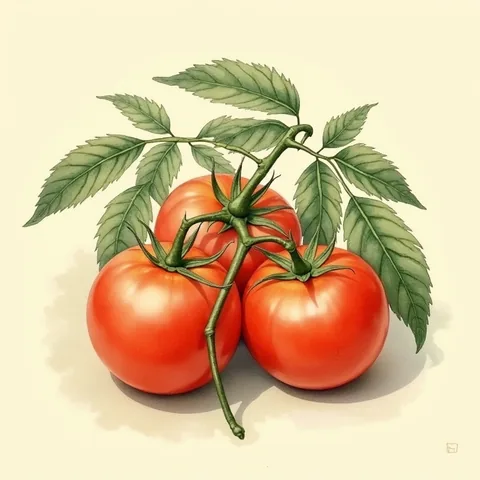 TomatoesMar 4–Mar 18
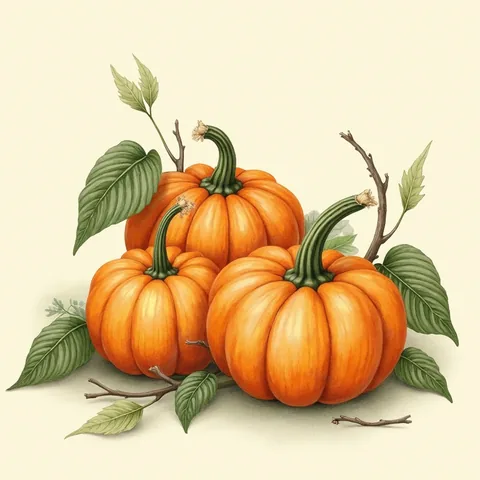 PumpkinsMar 11–Mar 25
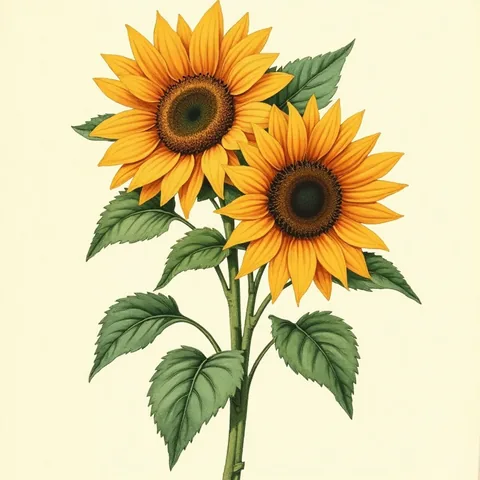 SunflowersFeb 25–Mar 18
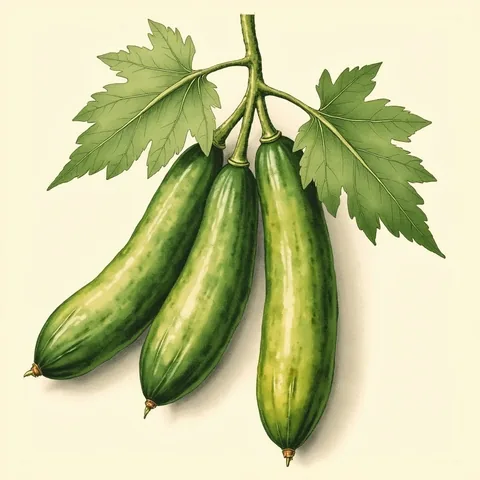 CucumbersMar 11–Mar 18
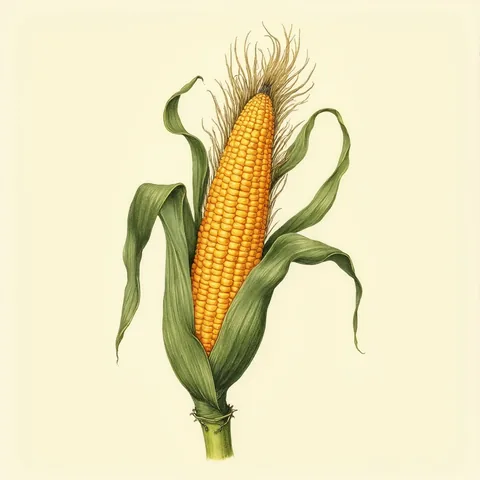 CornMar 4–Mar 18
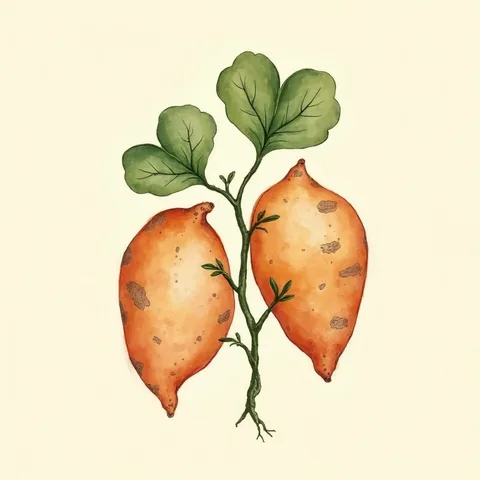 Sweet potatoesMar 18–Apr 1
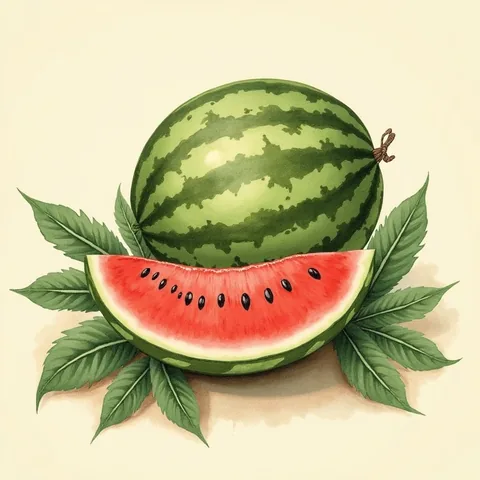 WatermelonMar 11–Mar 25
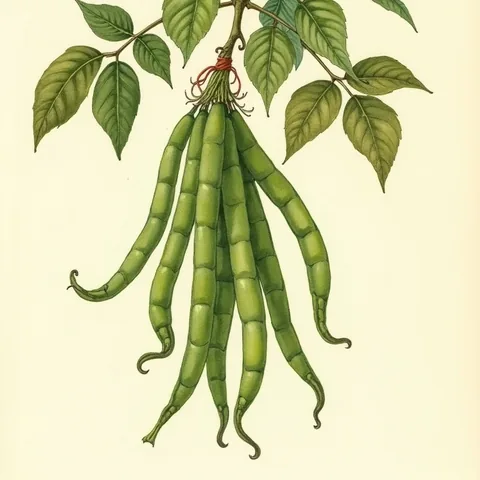 Green beansMar 4–Mar 25
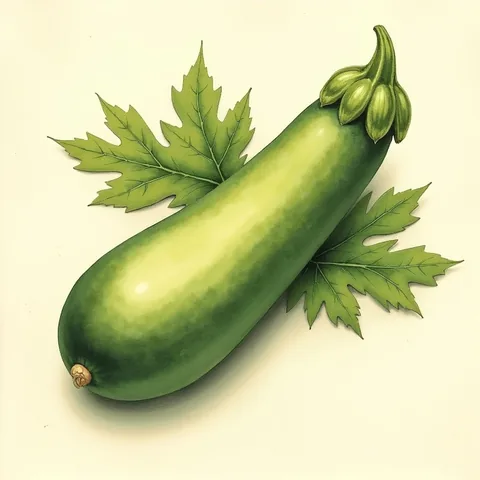 ZucchiniMar 4–Mar 18
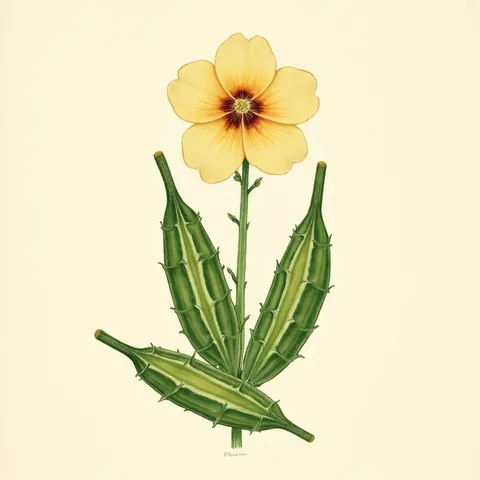 OkraMar 18–Apr 1
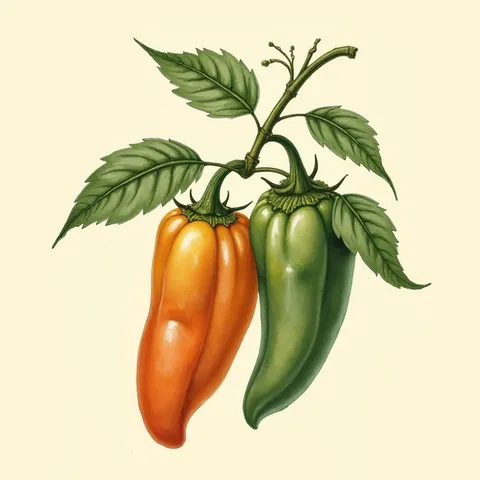 PeppersMar 11–Mar 25
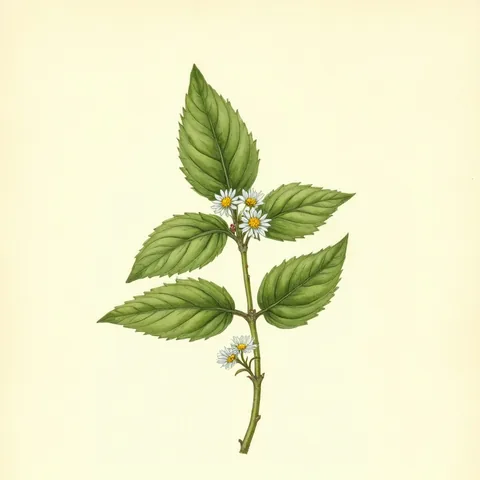 BasilMar 4–Mar 18
 Butternut squashMar 4–Mar 18
 CantaloupeMar 11–Mar 25
 EggplantMar 11–Mar 25
 PotatoesJan 28–Feb 11
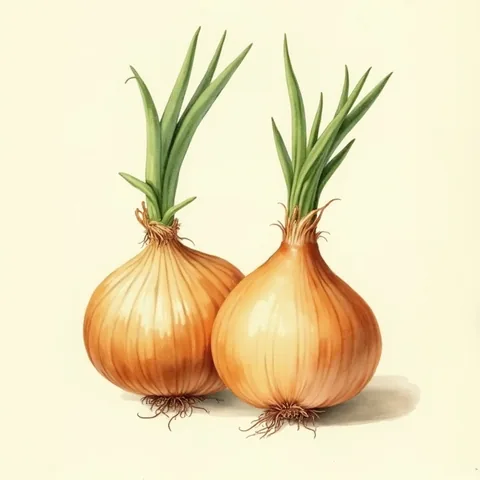 OnionsJan 14–Feb 4
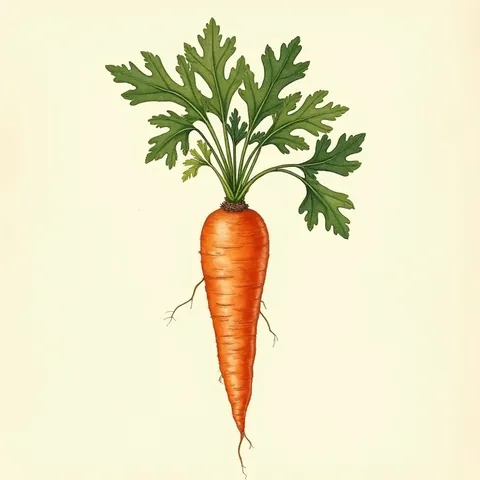 CarrotsFeb 4–Mar 11
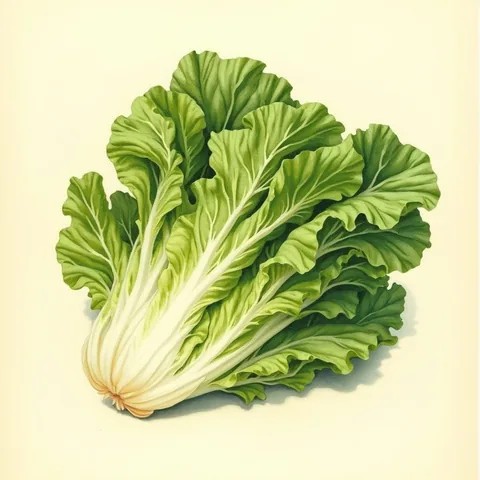 LettuceFeb 11–Mar 4
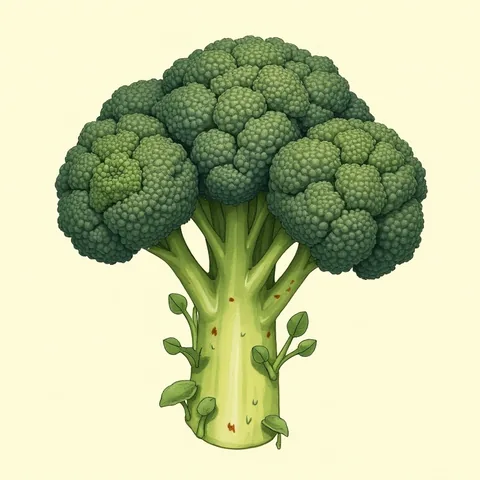 BroccoliJan 28–Feb 11
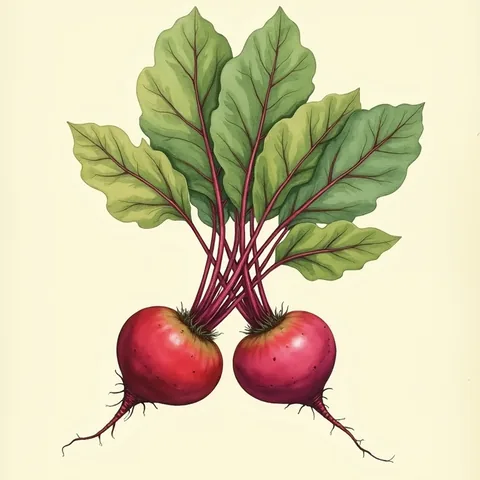 BeetsJan 28–Mar 11
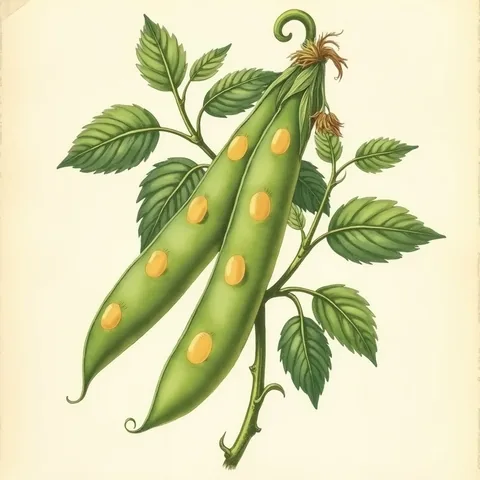 PeasJan 14–Jan 28
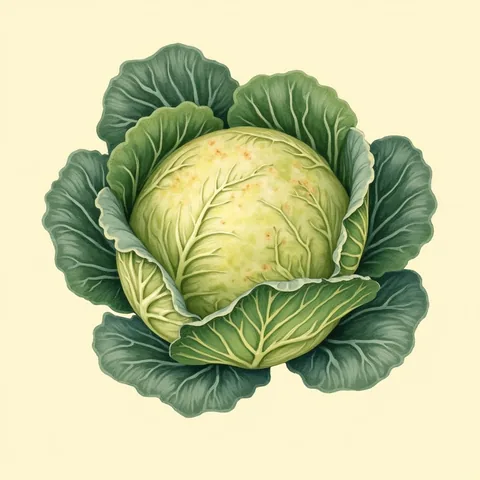 CabbageJan 28–Feb 11
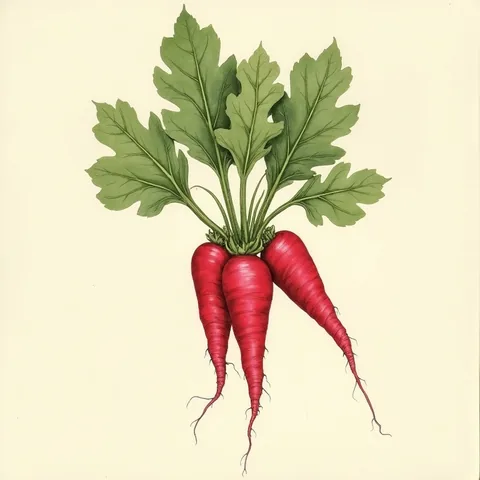 RadishesJan 21–Mar 4
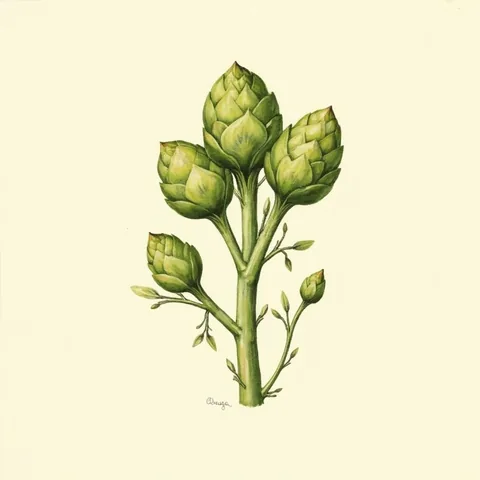 Brussels sproutsFeb 11–Feb 25
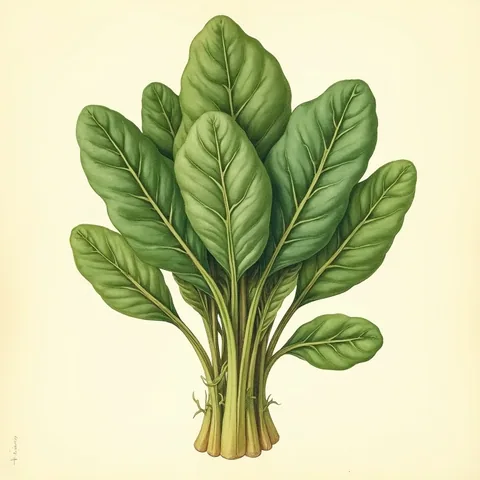 SpinachJan 14–Feb 4
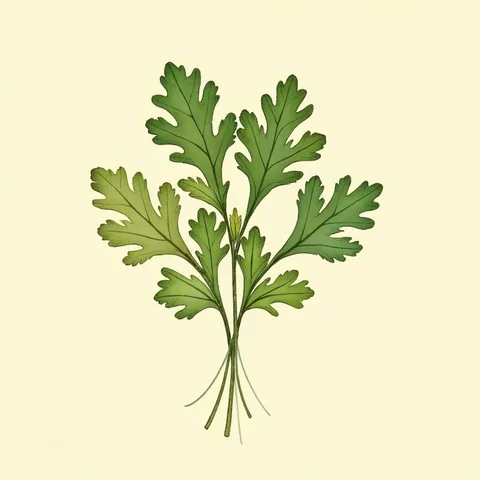 CilantroFeb 11–Mar 4
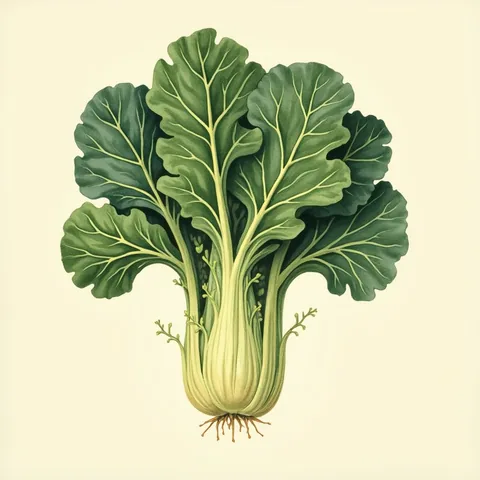 KaleJan 28–Feb 11
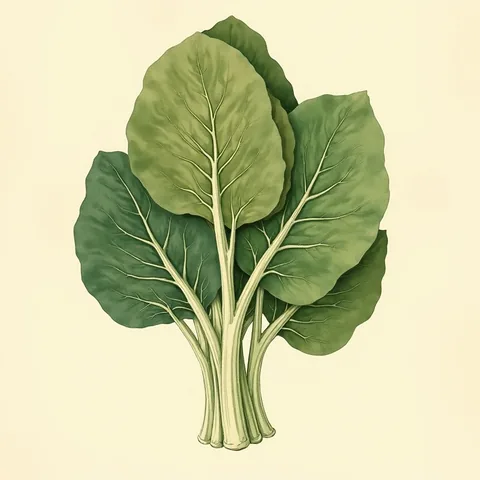 Collard greensJan 28–Feb 11
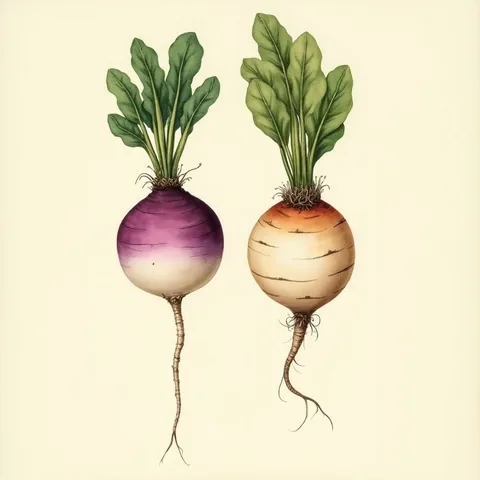 TurnipsJan 28–Feb 11
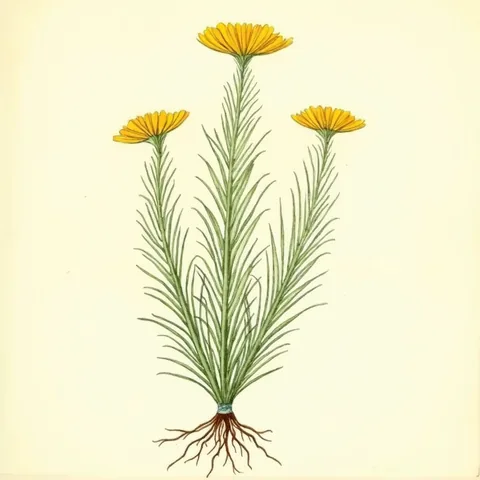 DillFeb 25–Mar 11
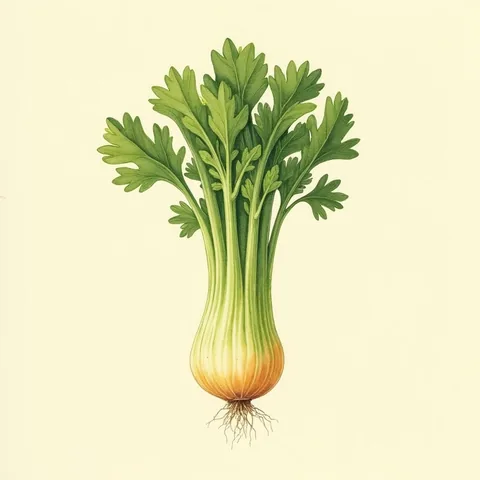 CeleryMar 4–Mar 11
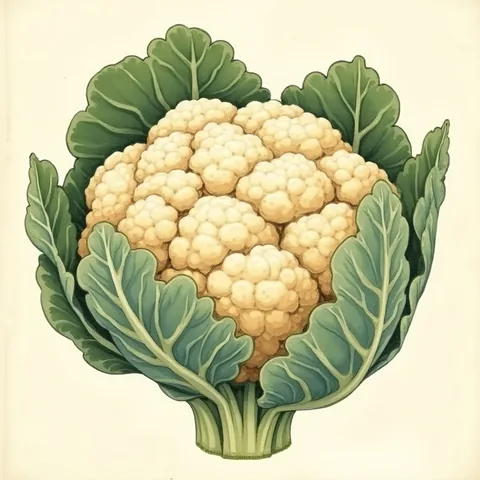 CauliflowerFeb 11–Feb 25
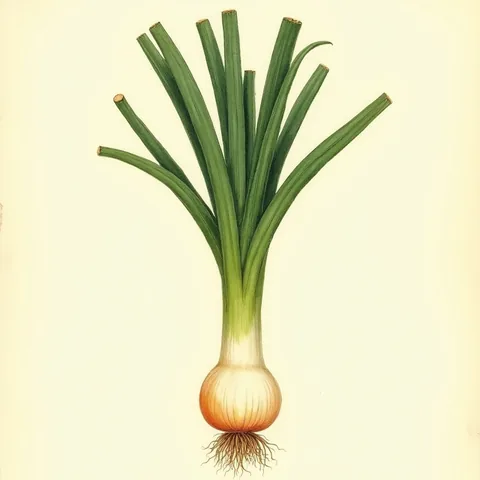 LeeksFeb 11–Feb 25
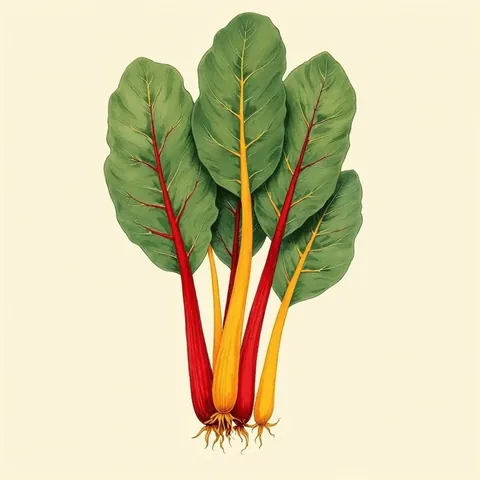 Swiss chardFeb 11–Mar 11
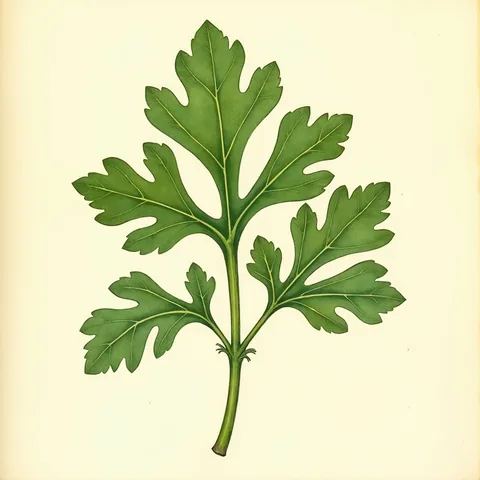 ParsleyFeb 11–Mar 4
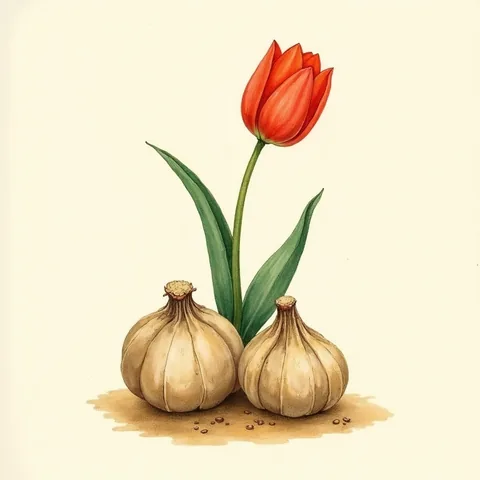 Tulip bulbsNov 14–Dec 15
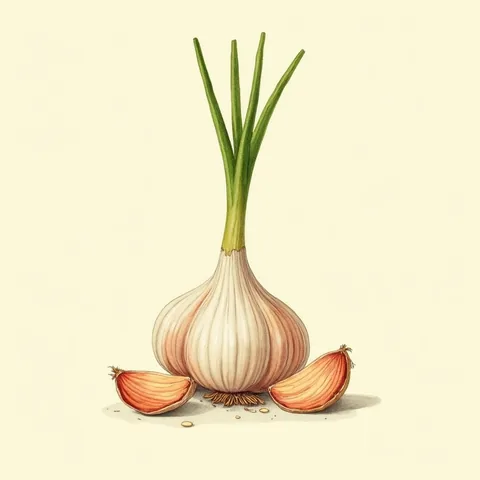 GarlicOct 15–Nov 30
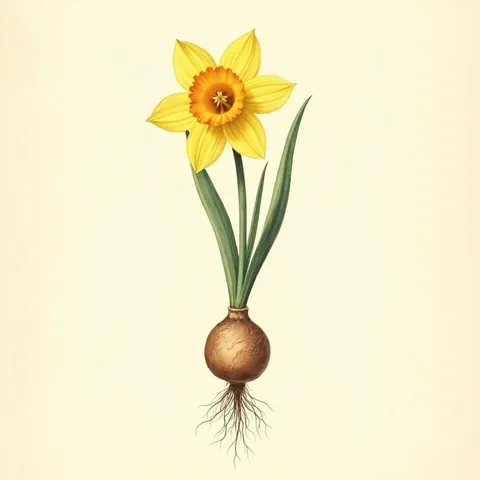 Daffodil bulbsOct 15–Nov 30
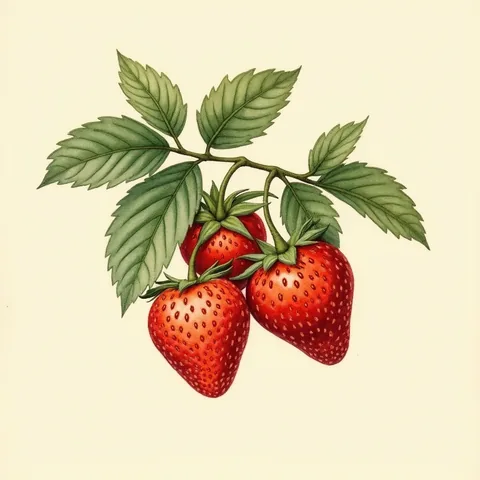 StrawberriesJan 28–Feb 11
 AsparagusJan 28–Feb 11
Frost probabilities
| Threshold | Spring, 90% chance later | Spring, 50% | Spring, 10% | Fall, 10% chance earlier | Fall, 50% | Fall, 90% |
|---|---|---|---|---|---|---|
| Light frost, 32°F | Jan 28 | Feb 25 | Mar 19 | Nov 7 | Nov 28 | Dec 21 |
| Hard freeze, 28°F | Dec 31 | Feb 5 | Mar 5 | Nov 19 | Dec 15 | Jan 20 |
Read the spring 10% column as the date after which only one year in ten still gets frost. That is the safer date for tomatoes, peppers and basil.
Where these numbers come from
NOAA station San Antonio Incarnate Word (USC00417947) sits 3.2 miles from the center of San Antonio at 700 feet. Its averages cover 1991 to 2020. Low spots, valleys and open fields can keep getting frost a week or two after the station stops; city centers and lakeshores usually get less of it.
Questions
When is the last frost in San Antonio, TX?
The average last frost date in San Antonio is February 25, based on NOAA 1991–2020 climate normals. There is a 10% chance of frost after March 19.
When is the first frost in San Antonio?
The first frost in fall usually comes around November 28. One year in ten it arrives before November 7.
How long is the growing season in San Antonio?
About 277 days between the average last and first frost.
When should I plant tomatoes in San Antonio?
Plant tomato seedlings outside from March 4 to March 18. Start seeds indoors six to eight weeks earlier.
Nearby in Texas
- ConverseFeb 21
- Universal CityFeb 21
- Timberwood ParkFeb 26
- SchertzFeb 21
- CiboloFeb 21
- BoerneMar 15
- New BraunfelsMar 8
- Canyon LakeMar 1
- SeguinMar 1
- San MarcosFeb 28
- KyleFeb 28
- KerrvilleMar 27