Last frost date in Dixon, CA
The average last frost in Dixon is February 10. By March 11 the chance of another 32°F night drops to 1 in 10. The first fall frost usually arrives about December 1, which leaves 295 frost-free days. An early freeze before November 13 happens one year in ten.
- Safe after (10% risk)
- Mar 11
- Average first frost
- Dec 1
- Frost-free season
- 295 days
- Hard freeze (28°F) ends
- Jan 6
No frost in the next 6 nights
National Weather Service forecast, updated Oct 22, 12:57 UTC
- ThuOct 2252°
- FriOct 2349°
- SatOct 2446°
- SunOct 2549°
- MonOct 2649°
- TueOct 2749°
Planting calendar for Dixon
Windows count forward or back from the average frost dates above. Click a crop for dates across California.
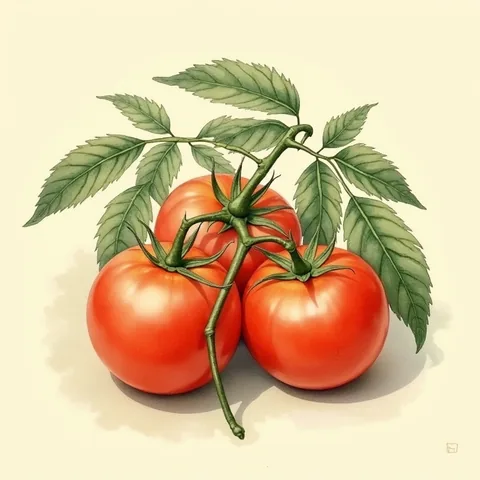 TomatoesFeb 17–Mar 3
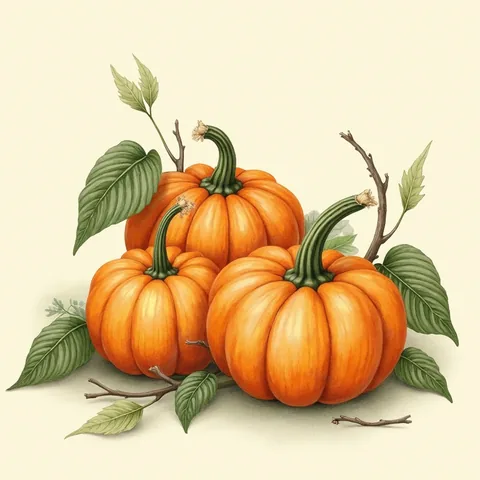 PumpkinsFeb 24–Mar 10
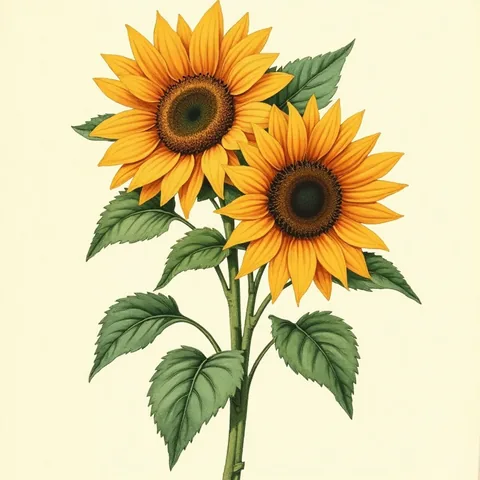 SunflowersFeb 15–Mar 8
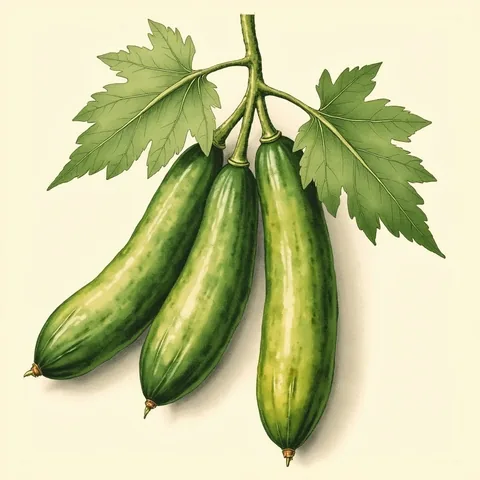 CucumbersFeb 24–Mar 3
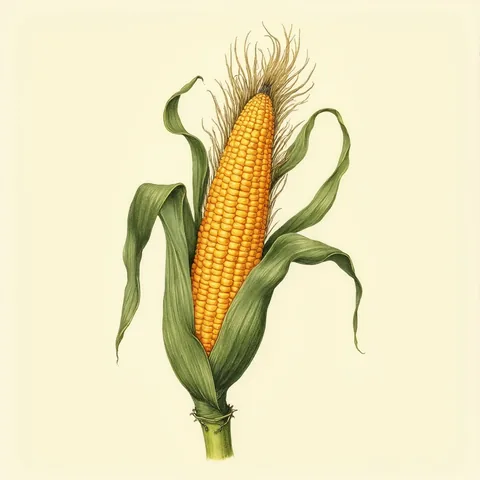 CornFeb 17–Mar 3
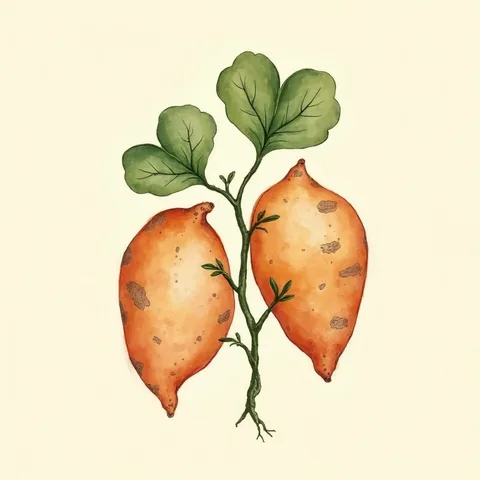 Sweet potatoesMar 3–Mar 17
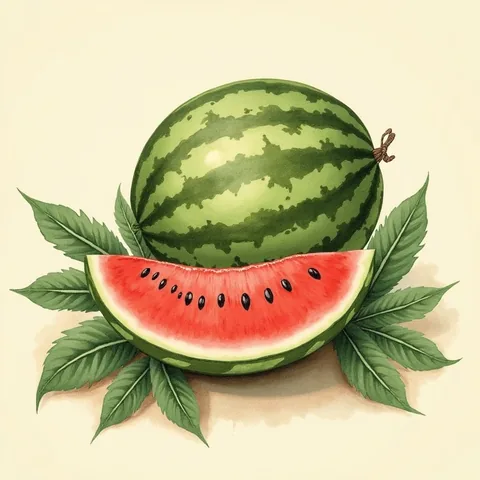 WatermelonFeb 24–Mar 10
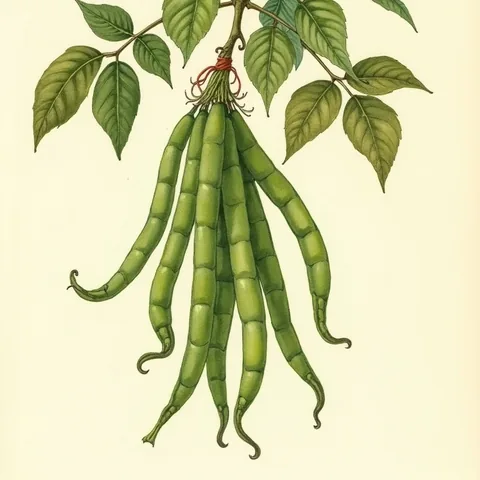 Green beansFeb 17–Mar 10
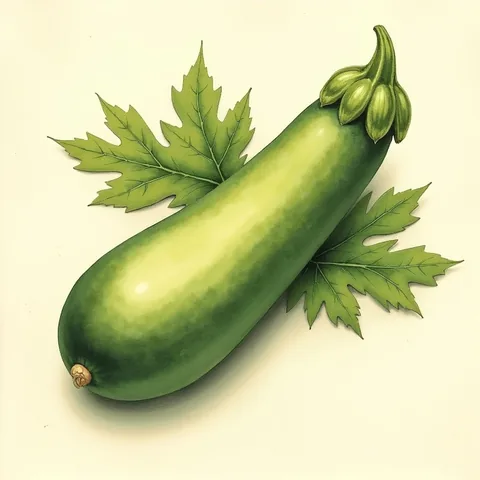 ZucchiniFeb 17–Mar 3
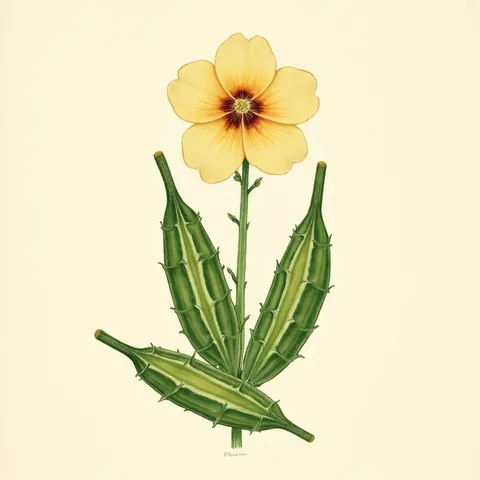 OkraMar 3–Mar 17
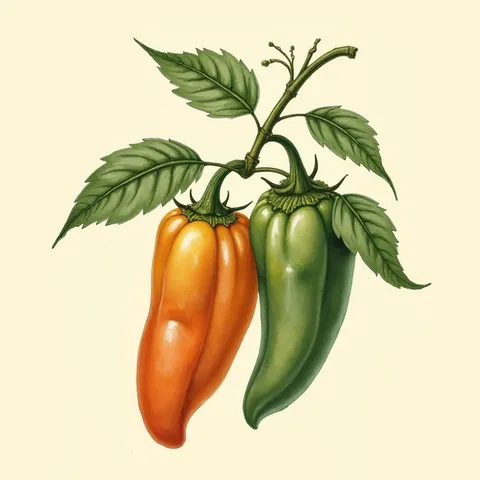 PeppersFeb 24–Mar 10
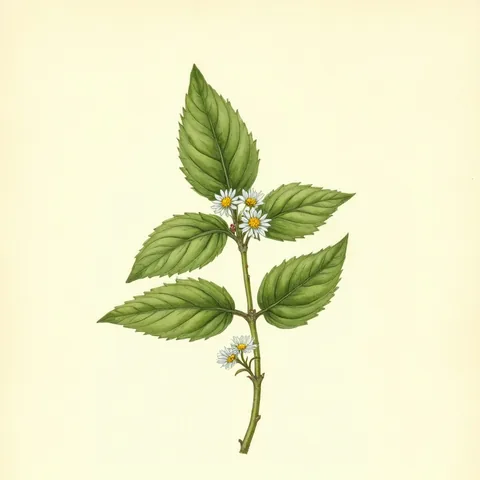 BasilFeb 17–Mar 3
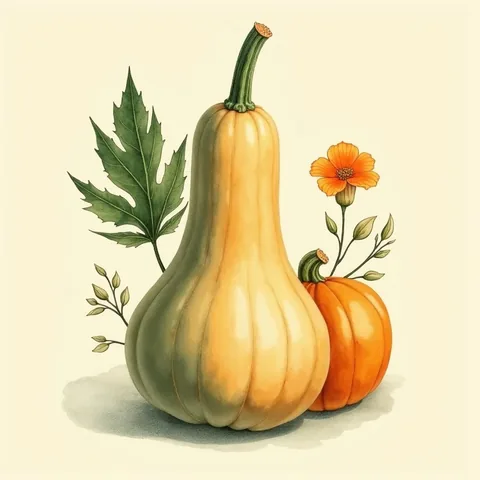 Butternut squashFeb 17–Mar 3
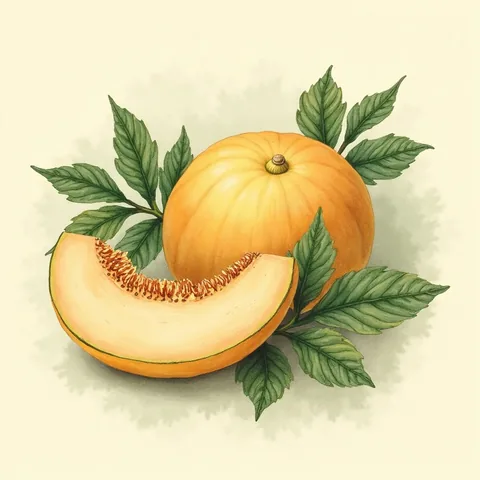 CantaloupeFeb 24–Mar 10
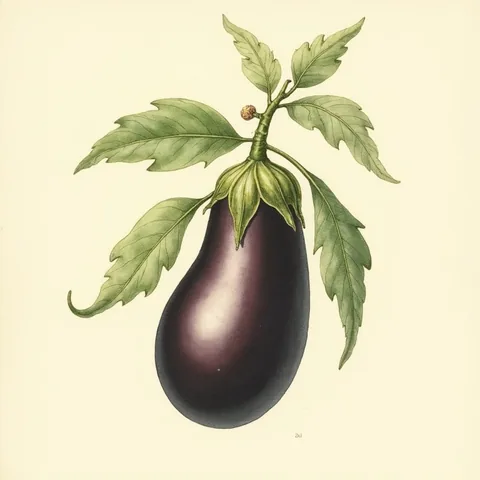 EggplantFeb 24–Mar 10
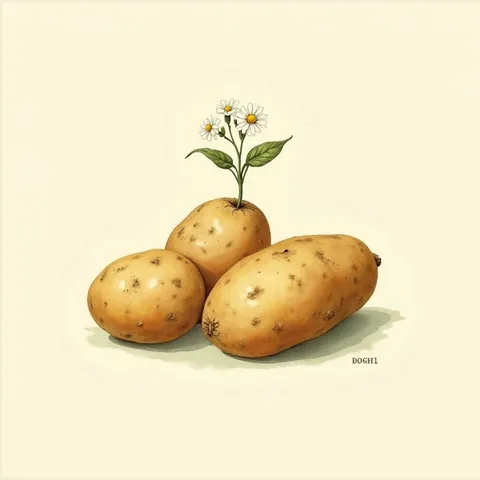 PotatoesJan 13–Jan 27
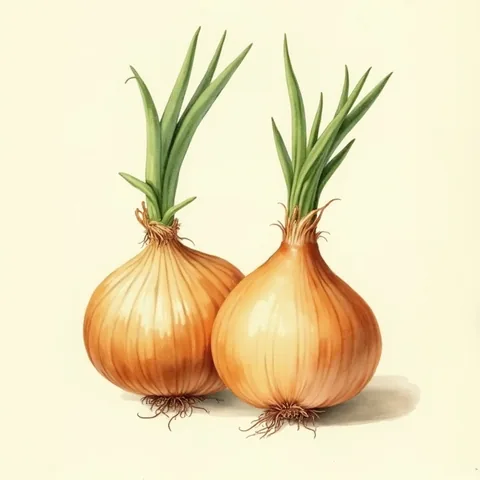 OnionsDec 30–Jan 20
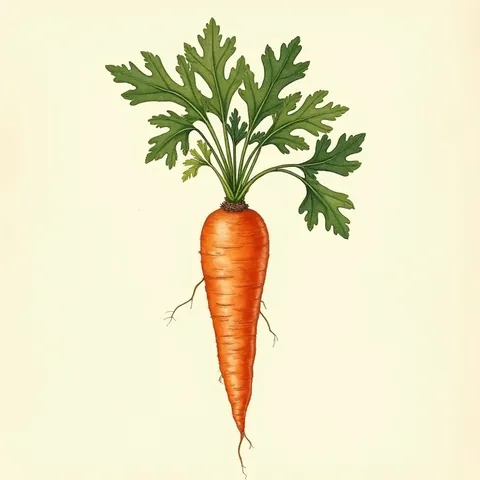 CarrotsJan 20–Feb 24
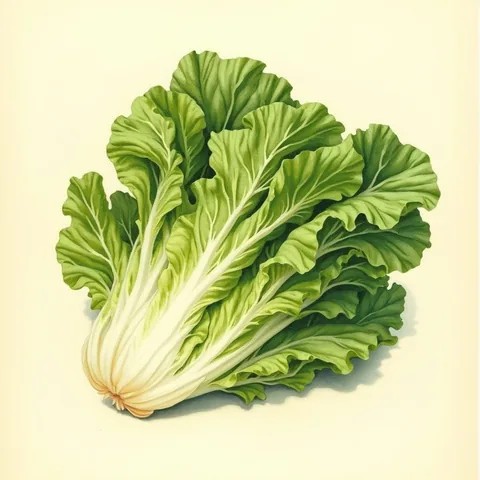 LettuceJan 27–Feb 17
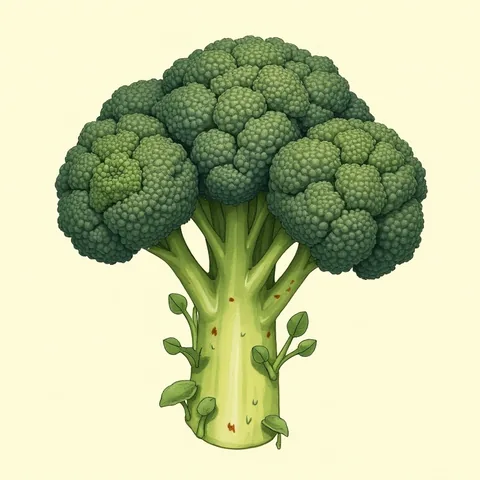 BroccoliJan 13–Jan 27
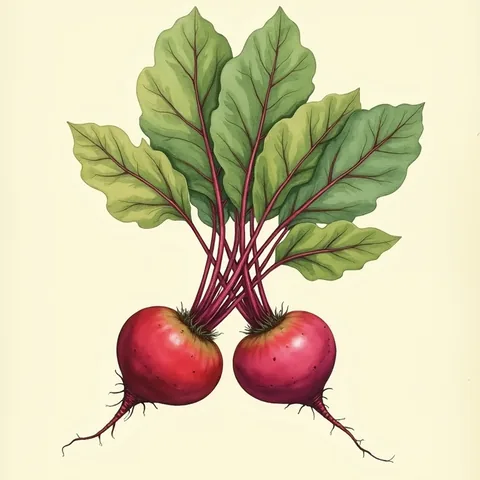 BeetsJan 13–Feb 24
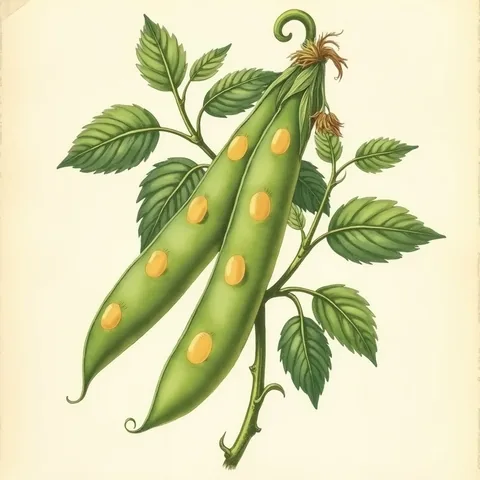 PeasDec 30–Jan 13
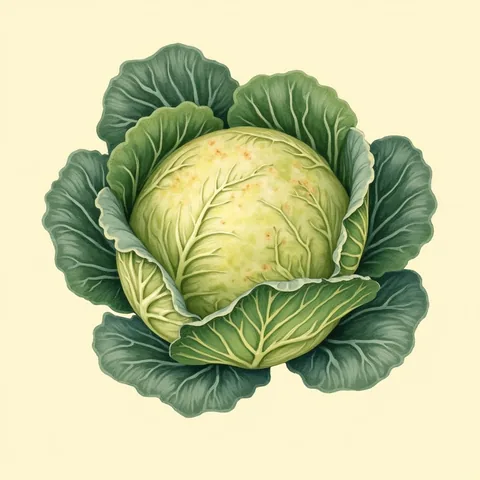 CabbageJan 13–Jan 27
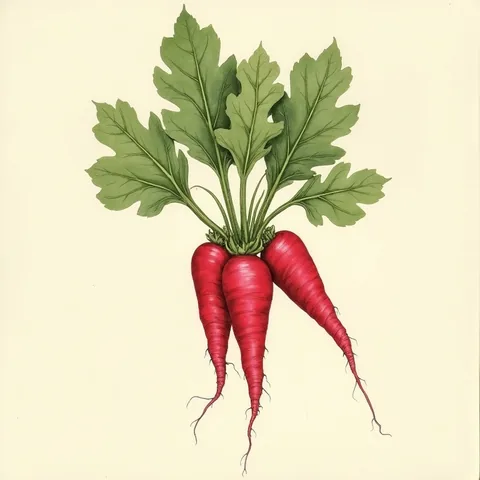 RadishesJan 6–Feb 17
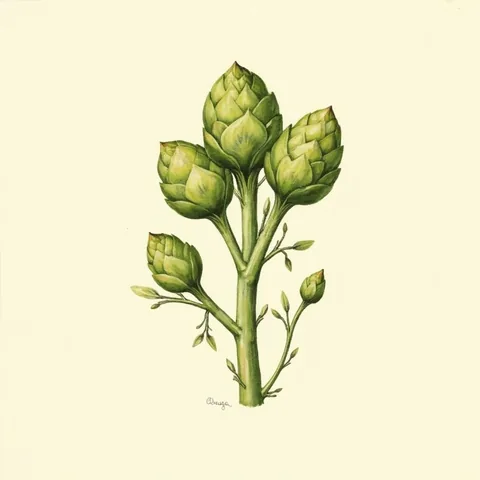 Brussels sproutsJan 27–Feb 10
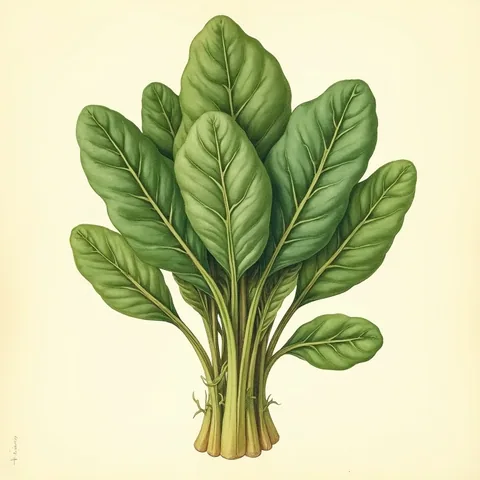 SpinachDec 30–Jan 20
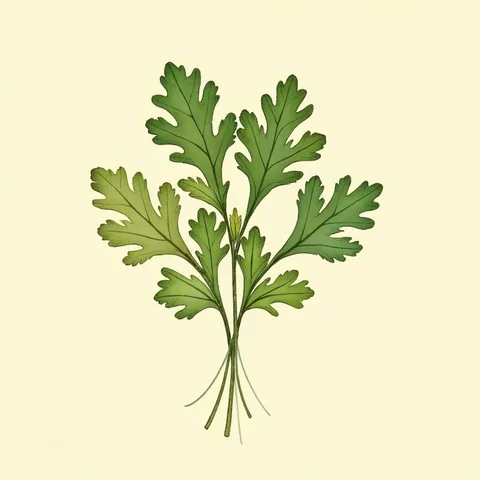 CilantroJan 27–Feb 17
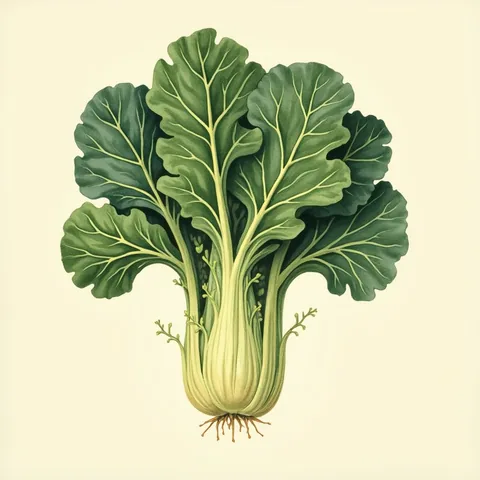 KaleJan 13–Jan 27
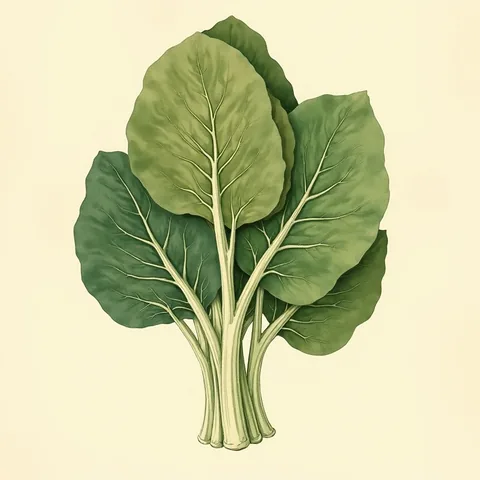 Collard greensJan 13–Jan 27
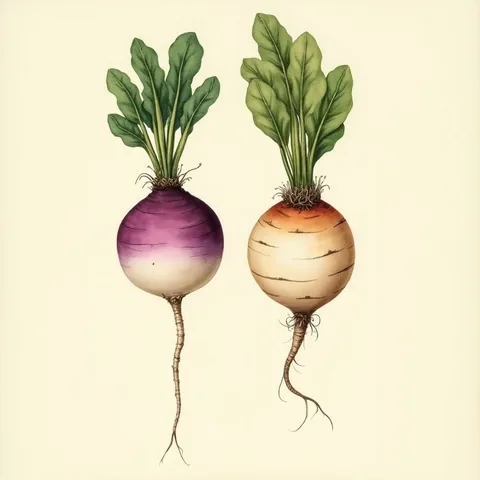 TurnipsJan 13–Jan 27
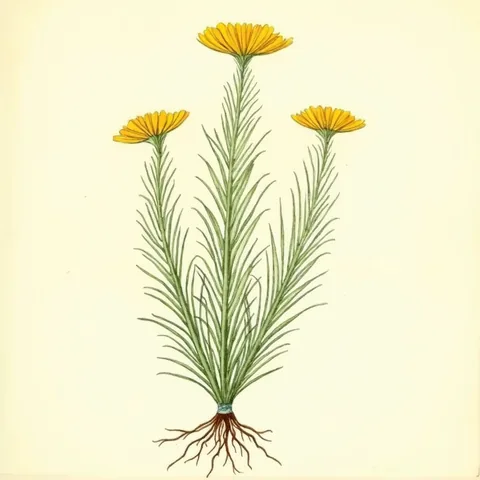 DillFeb 10–Feb 24
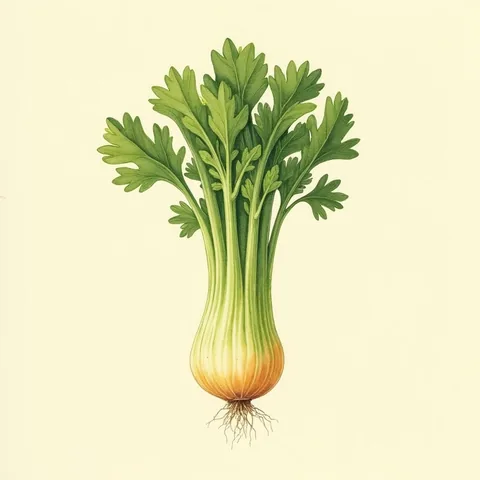 CeleryFeb 17–Feb 24
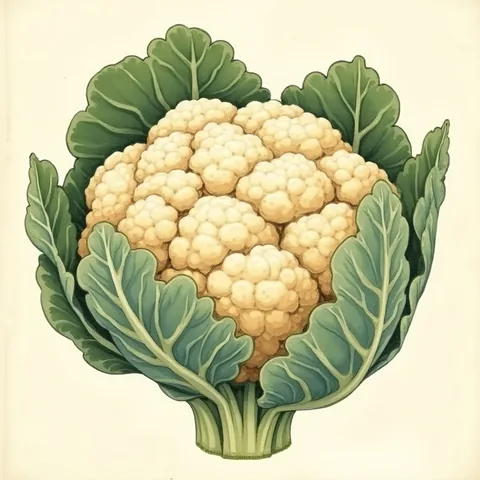 CauliflowerJan 27–Feb 10
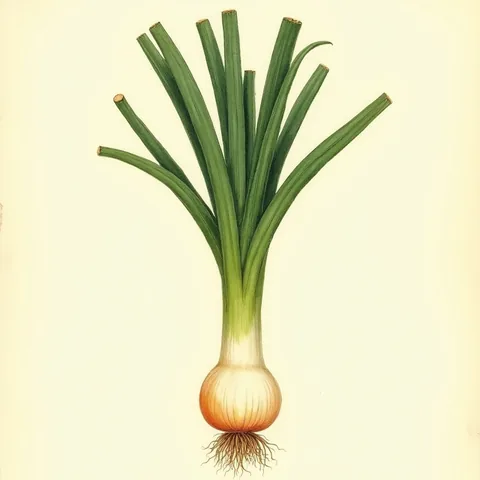 LeeksJan 27–Feb 10
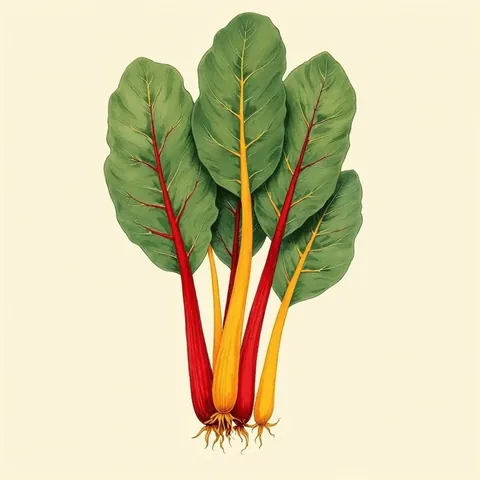 Swiss chardJan 27–Feb 24
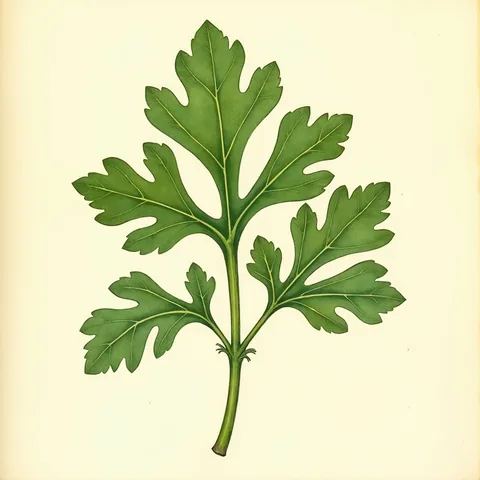 ParsleyJan 27–Feb 17
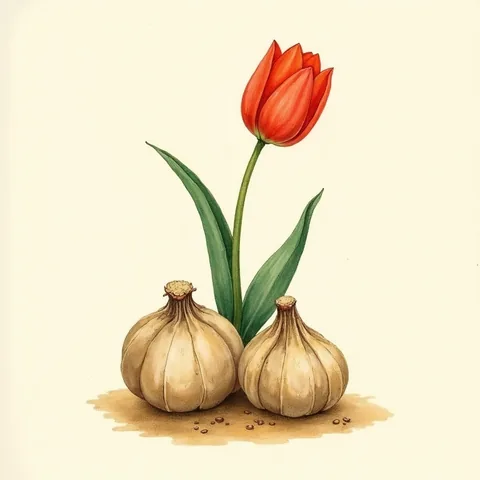 Tulip bulbsNov 17–Dec 15
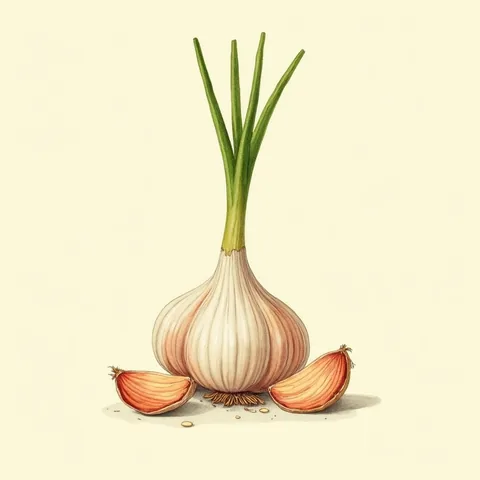 GarlicOct 15–Nov 30
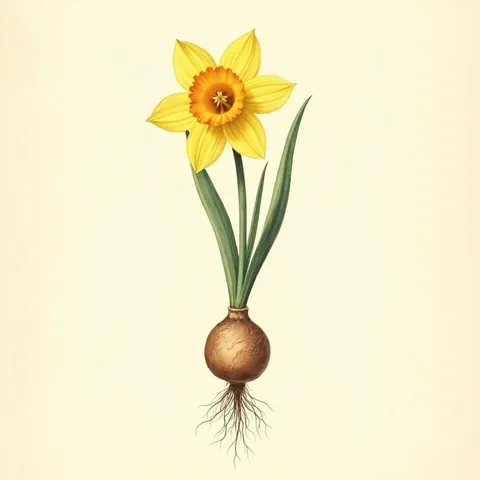 Daffodil bulbsOct 15–Nov 30
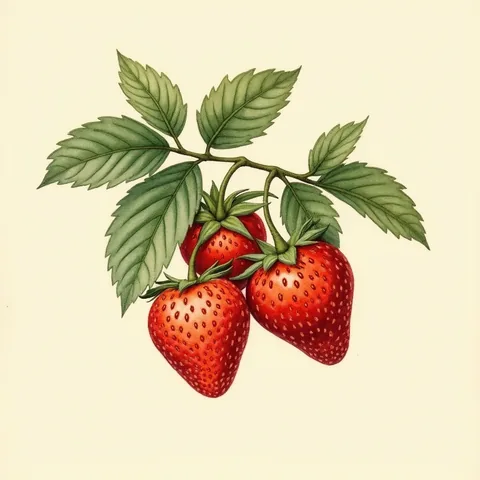 StrawberriesJan 13–Jan 27
 AsparagusJan 13–Jan 27
Frost probabilities
| Threshold | Spring, 90% chance later | Spring, 50% | Spring, 10% | Fall, 10% chance earlier | Fall, 50% | Fall, 90% |
|---|---|---|---|---|---|---|
| Light frost, 32°F | Dec 31 | Feb 10 | Mar 11 | Nov 13 | Dec 1 | Dec 27 |
| Hard freeze, 28°F | Dec 14 | Jan 6 | Feb 8 | Nov 29 | Dec 18 | Jan 18 |
Read the spring 10% column as the date after which only one year in ten still gets frost. That is the safer date for tomatoes, peppers and basil.
Where these numbers come from
NOAA station Davis 2 WSW Experiment Farm (USC00042294) sits 6.6 miles from the center of Dixon at 60 feet. Its averages cover 1991 to 2020. Low spots, valleys and open fields can keep getting frost a week or two after the station stops; city centers and lakeshores usually get less of it.
Questions
When is the last frost in Dixon, CA?
The average last frost date in Dixon is February 10, based on NOAA 1991–2020 climate normals. There is a 10% chance of frost after March 11.
When is the first frost in Dixon?
The first frost in fall usually comes around December 1. One year in ten it arrives before November 13.
How long is the growing season in Dixon?
About 295 days between the average last and first frost.
When should I plant tomatoes in Dixon?
Plant tomato seedlings outside from February 17 to March 3. Start seeds indoors six to eight weeks earlier.
Nearby in California
- DavisFeb 10
- VacavilleFeb 18
- WoodlandFeb 7
- West SacramentoFeb 2
- Suisun CityJan 15
- FairfieldJan 15
- SacramentoJan 12
- FlorinJan 12
- Elk GroveFeb 2
- Arden-ArcadeJan 12
- RosemontJan 12
- VineyardJan 12